Category Archives: Miscellaneous Musings

These blog posts include my random reflections about illness narratives, literature, and medicine.

3/24/14: The day I turned in my Honors English Thesis

To be honest, this is probably the most important thing that I’ve done in my life.

My Honors English thesis

I know it sounds dramatic, but I can’t help but think that it’s true. I’ve been excited about writing a thesis since coming to college. I had no idea what it would be about, but I loved the idea of turning my own thoughts into something new. My English teacher once told me that I was a seeker; I enjoy turning to literature for answers and embracing its ambiguity. And in many ways, that is what I’ve done in my Honors English thesis.

It’s hard for me to wrap my mind around just how much of myself I’ve devoted to this research. But in many ways, this thesis is the culminating creation of my entire undergraduate education here at Michigan and more. Volunteering with pediatric oncology patients in high school initially piqued my interest; now, I’ve become dedicated to hopefully getting involved in childhood cancer as a physician. I needed to do this research: for these individuals with cancer who have had such an impact on my life but also for me, as a way of making sense of these unfathomable lives.

These final days have also been a time for remembering how fortunate I am to have so many people in my life supporting me. A close friend willingly contributed an extra set of eyes and an additional brain towards the editing process. From front to back, my mom read my entire thesis for typos. My dad morally supported me in the final stretch, and even my brother helped me to perfect the images. It’s been humbling to watch my loved ones step aside from their lives and devote their time to my own project.

Throughout the process, I’ve said that all I wanted was to be able to turn my thesis in knowing that I did everything I could and that I personally am happy with it. By my own standards, I believe that I’ve successfully accomplished this goal, and I couldn’t be more content.

If nothing else, the fact that I found myself eager to write this blog post and excited to dive into John Green’s  The Fault in Our Stars to celebrate  says something to me. I know that in studying literature, I’ve truly been doing something I love.

6 Comments

Filed under Chronicling Childhood Cancer: Illuminating the Illness Experience through Narrative, Miscellaneous Musings, Narrative Medicine Research

“The Heart of Medicine”: Published in The Intima, A Journal of Narrative Medicine

This month, my artwork I Will Wear My Heart Upon My Sleeve was published on the front page of The Intima: A Journal of Narrative Medicine! Check it out here:

The Intima, I Will Wear My Heart Upon My Sleeve

2 Comments

Filed under Miscellaneous Musings, Narrative Medicine Research, Uncategorized

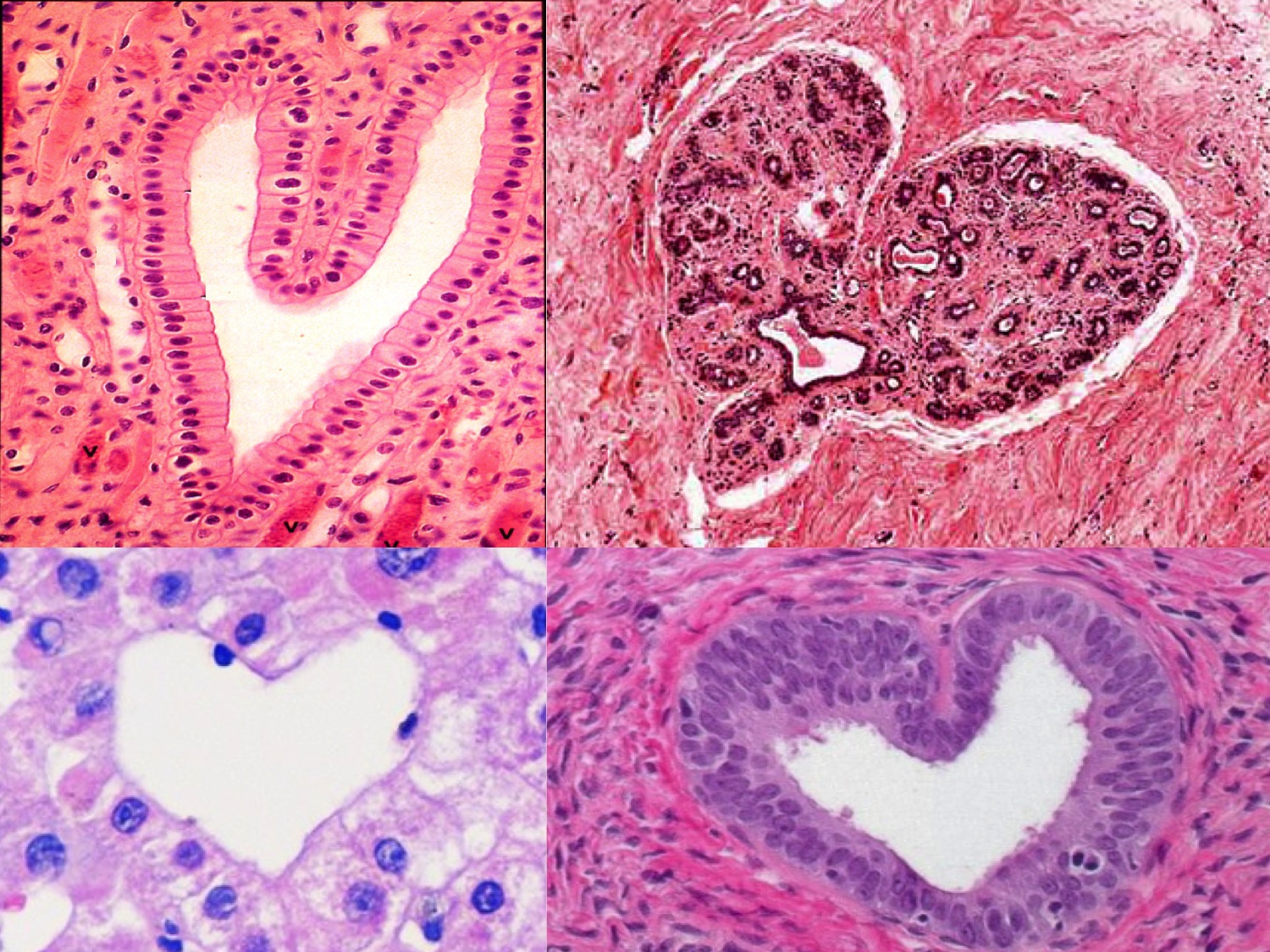
I will wear my heart upon my sleeve

I will wear my heart upon my sleeve

The heart has long been appreciated as a vital organ in the body, one whose persistent beating sustains human life. During the Middle Ages, the heart fell under the scrutiny of a variety of philosophers. Some, like Aristotle, reasoned that the heart, not the brain, was the important organ of the body that dictates human reasoning and rationality. Others believed the heart held different responsibilities as the seat of the soul, a place of emotion and passion.

The heart as a representation of love has survived especially through the heart shape, a symbol that has been prominent since the end of the Middle Ages. The simple heart shape has become a metaphor for affection, for lust, for devotion. As the image primarily associated with Valentine’s Day, it remains powerfully resonant of love.

In Othello, Shakespeare alludes to the importance of expressing such emotion with the phrase “I will wear my heart upon my sleeve.” The phrase once referred to the jousting tradition where knights wore colors that matched their respective ladies. Now, this idiom alludes to displaying emotions openly and fearlessly.

This collage, motivated by the recurring appearance of the heart shape in non-cardiac tissue, demonstrates how the heart shape we so commonly associate with love can in fact exist outside the organ of the heart. Taken from kidney, mammary gland, liver, and prostate gland tissue, these samples demonstrate how the heart shape lives on structurally in other bodily organs. These hearts are constructed with different kinds of epithelial tissue from simple cuboidal epithelium to simple squamous epithelium; different cells come to naturally construct the heart shape. The array of colors arose from the different dyes used to illustrate the tissue structures. The basic dye hematoxylin binds to basophilic components like nucleic acids and ribosomes, while the acidic dye eosin binds to acidic components like protein. Although the heart shape is embodied differently in these various organs, it maintains the basic structure of two symmetrical halves that coalescence to create a whole.

Passion and love are not isolated within the cardiac tissue of the heart. Instead, these emotions circulate throughout the entire body. We must embrace these naturally permeating feelings, and so, “I will wear my heart upon my sleeve.”

I was honored to be selected as the Grand Prize Winner of the Science as Art Contest for this artwork and description.

This content is licensed under a Creative Commons: Attribution-NonCommercial-ShareAlike license (CC:BY-NC-SA).

1 Comment

Filed under Miscellaneous Musings, Visualizing Illness

One year later…

I’ve been thinking about this post for a few weeks now. Anticipating it, smiling about it, even stressing about it. It’s been one year since I started this blog, and I feel obligated to write about it.

I think that there are a few reasons for my muddled emotions about writing this post. I wanted to write about how far this blog has come in one year, how happy I am to have found a space to write and share my thoughts. I wanted to thank my more than 1500 followers, a supportive community of people that I had never expected to find. And I wanted to once more express my amazement and appreciation about just how far my thesis research project has come and how excited I am to be teaching my own course about illness narratives this semester.

Intertwined with all these joys and accomplishments, however, are the confusions and  hesitations that remain. I haven’t quite figured out where I fit into the fields of narrative medicine and medical humanities, but I find myself drawing away from both of these disciplinary labels. I’m not sure how exactly I will preserve my interests in this interdisciplinary arena, but I am determined to integrate this passion throughout medical school and beyond.

I was finally motivated to write this post, to reflect on how fulfilling this blog has been and recognize how much more I need to write through, because I realized that this is just where I should be. Writing blog posts in my head has become something that I just do, but I’m also glad that I haven’t found the answers to all my questions just yet. I guess that’s what this year will be for: finding more answers, and asking even more questions.

2 Comments

Filed under Miscellaneous Musings

New Models for Embodying Disability

Yesterday was International Day of Persons with Disability. In Zurich, the disability organization Pro Infirmis celebrated with mannequins sculpted after people with disability. “Because who is perfect?”

A simple, compelling work of art. This film and the project it reenacts both encourage us to remember disability. To pause. To reconsider societal ideas about the normal and abnormal body. To respect the vast array of differences that make us human.

What most fascinated me were the responses of passersby. Most halted in their tracks and did a double take. Some seemed confused and uncertain about whether what they were seeing was real. Perhaps these reactions exemplify how much farther we have to go in raising awareness and appreciation for disability.

Integrating disability into how we represent and mold our bodies is one more step forward.

Leave a comment

Filed under Film, Miscellaneous Musings, Theatre, Visualizing Illness

Being Thankful for Cancer: A Huffington Post article

This Huffington Post article caught my eye:

Dear Cancer, This Is How You’ve Made Me Thankful.

Zoe Lintzers reflects on how she has observed the experiences of loved ones with cancer, and how cancer has helped her to better appreciate the simple pleasures of life: She writes perceptively about these experiences and her own realizations, presenting a convincing argument for what others can learn from disease and human suffering. Is illness something we should be thankful for? Despite the revelations that it may catalyze, does it demand our gratitude?

It was sometimes hard for me to look beyond some of her diction choices, though. She mentions the aunts she lost to cancer. Then she proceeds to tell of how  “[t]here are the brave others in my family who have been diagnosed in the past six years and are in remission, having triumphed over a disease that makes our eyes widen and our hearts crumble upon hearing that initial diagnosis. But they’ve prevailed and, to me, are the strongest people I know.”

But what does this mean for those whose lives were lost to cancer? Were they not brave? Just because they were unable to successfully triumph over their disease, does that imply something about their strength?

I’m sure that these were not intentional questions that Lintzers meant to imply. But sometimes I feel that this can be the danger of using what Arthur Frank called “the triumph narrative.” It’s interesting to me how prevalent this language is when it comes to communicating illness experiences. Especially with cancer, a disease in which war is literally waged against one’s body. But there needs to be an increased awareness of the latent effects of the triumph narrative.

Lintzers does, however, successfully portray her personal experiences with cancer as both a painful experience but also an enlightening one: “Cancer made me see that this is what it — life — is all about.”

1 Comment

Filed under Chronicling Childhood Cancer: Illuminating the Illness Experience through Narrative, Literary Narratives, Miscellaneous Musings

Grand Rounds: Now Available for Registration

The course that I am teaching next semester, Grand Rounds: Exploring the Literary Symptoms of Illness through Narrative, has now been posted. First year undergraduate students at the University of Michigan will be able to start registering for it within the next few weeks.

I’m excited that this is happening. I’m really looking forward to sharing my interests in illness narratives with other students and learning from their own insights and revelations as well.

Check out my upcoming course listed in the UM Course Guide!

Grand Rounds LSA CG


Leave a comment

Filed under Grand Rounds, Miscellaneous Musings

Sharing the Clinical Relevance of Narrative at the UM Pediatrics Research Symposium

Instead of numerical values and statistics, my poster shared the words and phrases of children with cancer.  Amidst colorful posters with tables and graphs, my poster was adorned with drawings by pediatric oncology patients, such as cancer as a half-angel, half-devil being.

The 24th Annual Pediatric Research Symposium at the University of Michigan struck me as an interesting opportunity to share my narrative research with clinical pediatricians. I just began delving deeper into these narratives through a literary lens, and I enjoyed the challenge of reframing and furthering my analysis of these narratives for a medical audience. What does narrative illuminate about the living experience of childhood cancer? How do children conceptualize cancer and make sense of their illness experiences? And how can these narratives of pediatric oncology patients inform those who care for them?

Writing this abstract required more than inverting the active tense valued by the humanities to the passive tense valued in scientific writing. Designing this poster forced me to distill the numerous conversations and narratives that I have collected into a direct, concise argument. It was an incredibly helpful, albeit challenging, process.

From nearby poster presenters to practicing pediatric oncologists and more, it was interesting to discuss my research with a broad range of people and receive different feedback. One conversation in particular really resonated with me. A neighboring poster presenter asked me about my work, then confessed that she worked with pediatric oncology patients as a social worker for years. She said that it was a difficult and challenging position, one that ultimately surged her into depression because it was too much. To be able to work so intimately with these children, she said, “you need some kind of ‘distance.'”

This “distance” intrigues me. As we discussed this further, she explained that social workers preoccupy themselves primarily with the patients and families facing death, the ones struggling most with the interruptions of cancer. Physicians, on the other hand, have the chance to experience the broad range of paths that patients follow with cancer. The successful treatments, the ineffective drug regimens. This spectrum of outcomes helps give physicians perspective, but social workers by nature are honed in on the more despondent stories.

Is “distance” necessary for the emotional challenges of pediatric oncology? And if it is, what exactly does this imply about the impact of these childhood cancer narratives?  I wonder, how might these narratives complicate and possibly challenge this notion of ‘distance’?

Leave a comment

Filed under Chronicling Childhood Cancer: Illuminating the Illness Experience through Narrative, Miscellaneous Musings, Narrative Medicine Research

Slate: Stigmas of Cancer

An interesting article about the various stigmas of cancer and their implications:

Cancer stigma: Don’t blame patients for their disease, no matter what the risk factors.

Which leads me to question, what are the stigmas of childhood cancer?

3 Comments

Filed under Chronicling Childhood Cancer: Illuminating the Illness Experience through Narrative, Miscellaneous Musings

Contributing and Collaborating at the WMU Medical Humanities Conference

The people who I met, the conversations that we had, the ideas and passions that were exchanged and explored. These are the aspects that I enjoyed most at the Third Annual WMU Medical Humanities Conference, the things that I was most looking forward to and that I hope to experience at more conferences in the future.

I have to say, I think that this was one of my best presentations about my research. I’ve realized that I perform best as a speaker when I speak freely. The presentations that preceded mine throughout the day were inspiring. I felt my passion for my research empower me, and I was able to overcome anxiety with enthusiasm about my findings. The response to my presentation was overwhelmingly supportive and encouraging; some scholars were eager to share my project with students, others inviting me to stay in touch and explore their graduate programs. As the only student presenting, it was truly an honor to participate and I was fortunate to have such a great, interactive audience. 

The entire conference was an adventure. From the woman who sat next to me on the shuttle bus to the Founding Dean of Western Michigan University’s Medical School, I had the opportunity to meet a variety of people. People had travelled from across the nation and as far as England to present and participate in this conference, to share the projects they were passionate about and to learn about the passions of others. With this interdisciplinary field, there was an interesting assortment of people: humanities and social science scholars, clinicians, educators, and many overlaps amongst these. Each presentation offered new insight about different facets of Medical Humanities, and the discussions that unravelled afterwards were equally engaging and thought-provoking. Being physically in the presence of Medical Humanities people  helped me to better understand this field, and I’ll be incorporating some of my new thoughts from the conference in blog posts to come.

Here’s my WMU Medical Humanities Presentation: I wrote out notes in preparation, but they were by no means memorized. For those who would like to share my research with other students, I am honored. I really appreciate the support and enthusiasm!

Leave a comment

Filed under Chronicling Childhood Cancer: Illuminating the Illness Experience through Narrative, Miscellaneous Musings, Narrative Medicine Research